Synopsis
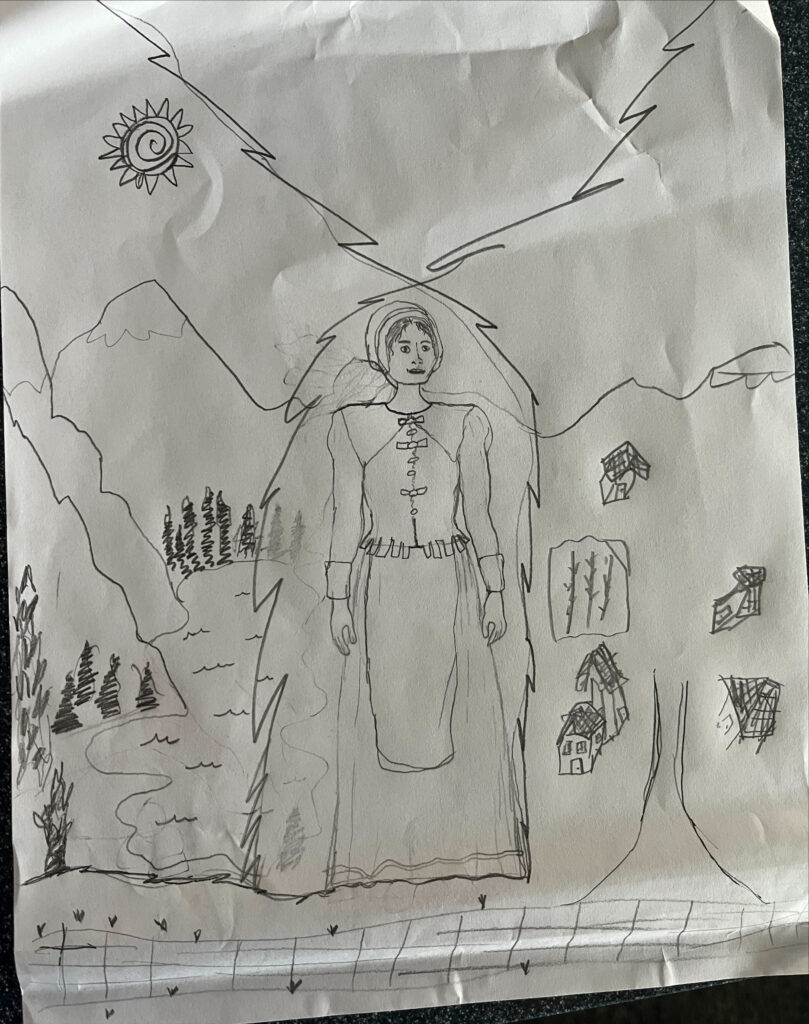
Mary Rowlandson’s “A Narrative of the Captivity and Restauration of Mrs. Mary Rowlandson” from 1682 set in Massachusetts when it was still a colony of the British empire. This narrative is of a puritan woman’s experience of being taken captive by the Narragansetts, for about 12 weeks she lived and was held in captivity alongside the Narragasetts. This is a captivity narrative which is supposed to show you the hardships of Mary Rowlandson and her experiences in being captive. How her identity is endangered by being taken and removed from her puritan life as a mother and wife. Her experiences within the different removes when they travel from different areas around Massachusetts. She meets “King Philip” who is a leader of the indigenous people who have her captive since this is the middle of “King Philip’s War”. King Philip was a nickname by the colonialist for him. This captive narration was also supposed to demonize indigenous people and justify colonialism being used over the indigenous people of the Americans. Basically this narrative is endorsed by a puritan minister since it was written by a woman who herself experienced this captivity it is supposed to show the community of colonialist and puritans why and how the indigenous people are “savages” and they should take the land and kick them off and push them out into genocidal means.
Promotional Blurbs
“Mary is present in the entire story. This piece is one written by a woman and it is named as hers. I had to publish anonymously. Though her writing is still controlled. This captivity narrative shows not a vanishing American trope like I have written, but the indigenous resisting the colonialists. Having an economy, it talks about their food. Though the purpose of this was to sway puritans towards justifying colonialism, and continuing this treatment of indigenous people in the colonies. She is pulled between living in two worlds.”
-Lydia Sigourney
“This narrative depicts indigenous people as dehumanized creatures. To be pushed out of the narrative of the colonizing settler because of this. This narrative is a reminder of the justification and dehumanization that the Puritan colonial settlers imposed on conflict, to create a narrative and negative attitudes on the indigenous. But it also shows the tension of recognizing the group you have been blindly told are ‘Barbarous Creatures’ that can happen.”
-Lin-Manuel Mrianda
Designer Statement
